
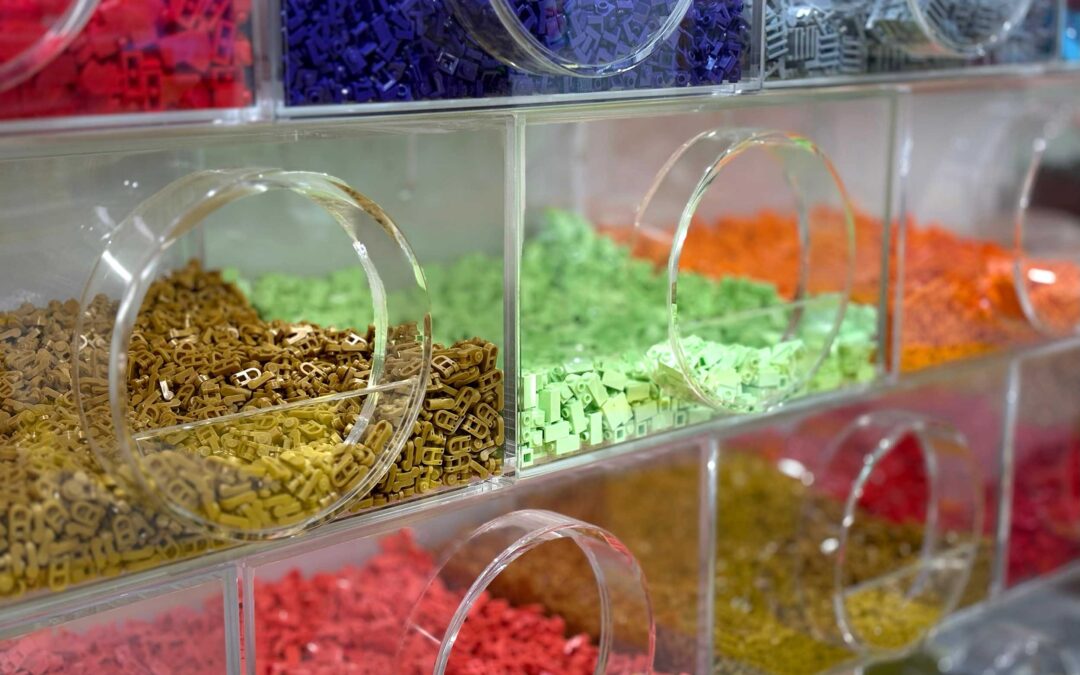
If the living room floor currently resembles a colorful obstacle course, the situation is familiar to many. Every parent eventually experiences the sharp surprise of stepping on a stray brick in the middle of the night. While this feels like a rite of passage, it does not have to be a daily reality. Learning how to organize LEGO® bricks involves more than maintaining a clean floor. It focuses on creating an environment where builders can actually find the specific components required for a new masterpiece. Whether the household manages a small starter set or a massive collection that dominates the guest room, a strategic approach changes the entire play experience.
What Exactly is a LEGO Organization System?
A functional system acts as a reliable framework for categorizing and storing pieces so they remain accessible for future projects. Instead of viewing the collection as a static pile of plastic, this approach treats every brick as a resource in a library. A successful setup distinguishes between various elements, such as bricks, plates, and specialized connectors. This structure makes the search for a specific component quick and efficient. By moving away from the dump and hunt method, the system establishes a clear flow where pieces are easily found, used in a build, and eventually returned to their correct spots.
Consistency remains the most vital component of any storage strategy. A truly effective system accommodates the growth of a collection, allowing new acquisitions to fit into existing categories without requiring a total overhaul of the storage space. Utilizing uniform containers and clear labeling helps every member of the household understand the logic behind the arrangement. When the method is intuitive, the transition from playtime back to an organized state becomes a simple habit rather than a daunting chore. This level of order transforms a chaotic bin into a curated toolkit that supports endless creativity.
Why Learning How to Organize LEGO is a Priority
Getting those bricks under control is a significant win for both parental sanity and a child’s creative development. When the bins remain a chaotic mess, the bricks often stay at the bottom of the closet. Organized pieces, however, invite constant interaction.
- Safety First: Clear walkways mean no more middle-of-the-night foot injuries. A designated spot for every brick keeps the floor safe for everyone.
- Increased Play Value: When kids can locate a specific minifigure head or a rare wheel, they spend more time building and less time digging through bulk containers.
- Protects the Investment: These sets often hold their value well. Keeping them organized and complete allows for a higher return if the family decides to trade them for store credit later.
Who is This LEGO Organization Guide Perfect For?
This guide serves the Savvy Parent or Grandparent who seeks an affordable, sustainable way to fuel a child’s hobby without drowning in plastic. It is particularly useful for families who prioritize the Crate Digger experience. These are the builders who love the tactile joy of hunting through bulk bins for hidden treasures but want to actually use those finds once they arrive home. If the goal is to move away from disposable toy habits and toward a revolving door of creative play, these steps provide the necessary roadmap.
Your Step-by-Step LEGO Organization Checklist
Ready to reclaim the floor? Use these LEGO storage ideas for parents to build a system that stands up to daily use. A successful setup requires durability and simplicity so that the kids can maintain the order themselves.
Step 1: The Great Sort
Before purchasing a single bin, define the inventory. Spread everything out on a large table or a dedicated play mat. Decide if sorting by color or by part type makes the most sense. While color-coding looks beautiful on a shelf, pro builders often prefer sorting by part type to find specific shapes faster.
Step 2: Choose Your Containers
Small drawers work wonders for minifigures and specialized accessories like swords or tools. Larger, clear bins remain the best choice for bulk bricks. Transparency allows kids to see the contents without dumping the entire container onto the rug.
Step 3: Create a “Work in Progress” Zone
Set aside a specific tray or a low shelf for half-finished builds. This prevents the frustration of a broken “spaceship in progress” and keeps the dining room table available for meals.
Step 4: Manage the Instructions
Store manuals in a binder with plastic sleeves or a sturdy file box. This habit makes it easy to rebuild retired favorites or verify a part list when the time comes to sell or trade the collection.
Step 5: Establish a “Trade-In” Bin
As kids grow, their tastes change. Keep a specific bin for sets or minifigures that no longer spark interest. When that bin reaches capacity, bring it into Bricks & Minifigs to swap those older pieces for something fresh and exciting.
Turn Chaos into Creativity with Thoughtful LEGO® Organization
Managing a growing collection is much easier with a plan for how to organize LEGO collections. By creating a simple, repeatable system, a messy pile of plastic becomes a revolving door of creativity. These LEGO storage ideas for parents help turn a cluttered room back into a functional play space. Once the bins are sorted, visit the shop to see what new treasures are waiting to fill those newly organized slots.